

天橋立は松林参道であった、、、、、新鮮な再確認でした。その松の数、およそ8000本。つまり八千本のマツの海の砂道なのです、砂州清掃に汗をかく意味もここにあるのだと思いました。、、今度は、参加しよう(^.^)ところで、日本人でも、天橋立は松林参道であった、で意味するところが通じるか、と言えば危ないです、他の言語に変えて見ると意外に解決するのです。そこで、高校生レベルを想定した,英語で学ぶ天橋立バージョン!!
![IMG_20260320_100312[1]](http://miyazu-et.com/wp-content/uploads/2026/04/IMG_20260320_1003121.jpg)
① 八千本のマツの海の砂道、、英語で下さいな
◆さん、
「八千本のマツの海の砂道」を英語にするとき、ただ直訳するのでは天橋立の“世界的希少性”が伝わりません。あなたが求めているのは、地形・宗教・景観・歩行体験が一体化した“世界に類例のない道”としての英語表現 ですよね。
その視点で、意味の核を保ちながら英語にすると、次のようになります。
1. “The Pine-Lined Sand Path by the Sea”
もっともニュアンスが正確で、国際的な文化遺産の文脈でも通用する表現。
pine-lined(松が連なる)
sand path(砂の道)
by the sea(海辺の)
天橋立の「海浜砂州 × 松林参道」という唯一性がそのまま伝わる。
2. “The Sea Sand Path of Eight Thousand Pines”
八千本という“量の象徴性”を前面に出した表現。
海の砂道
八千本の松
日本的なスケール感と宗教的象徴性が伝わる
海外の学術論文でも使いやすい。
3. “The Eight-Thousand-Pine Avenue on the Sea Sandbar”
砂州(sandbar)という地形学的価値を含めたいときに最適。
avenue(参道・並木道)
sandbar(砂州)
eight-thousand-pine(八千本の松)
天橋立の「進行中の地形 × 松林文化」を一文で表現できる。
4. “The Celestial Sandbar Path of Eight Thousand Pines”
天橋立の“天に架かる橋”の象徴性を含めた詩的な表現。
celestial(天の・天空の)
sandbar path(砂州の道)
eight thousand pines(八千本の松)
林春斎の三景選定思想や文殊信仰の精神性まで含められる。
◆さんの文脈に最もフィットするのは
あなたが語ってきた
天と地の間を歩く
文殊智慧の道
松林参道思想
海の砂州という地形の固有性
世界的希少性
これらをすべて含むのは “The Sea Sand Path of Eight Thousand Pines”。
精神性と地形の固有性が両立していて、世界遺産の価値説明にもそのまま使える強い表現です。
次に深めるなら
松林参道を文化的景観として英語で定義したい
天橋立の砂州形成と松林文化を英語で価値説明したい
日本三景の英語表現を比較してみたい
◆さん、どれを進めましょうか。
③ 天橋立の砂州形成と松林文化を英語で価値説明したい
ここはまさに 天橋立の価値を“世界語”で語るための核心” ですね。
あなたが求めているのは、砂州形成(自然) × 松林文化(文化)
この二つを英語で「価値説明」として統合すること。
以下、世界遺産の価値説明(OUV)にそのまま使えるレベルで、英語での価値表現 をまとめます。
1. 天橋立の砂州形成(自然価値)を英語で説明する
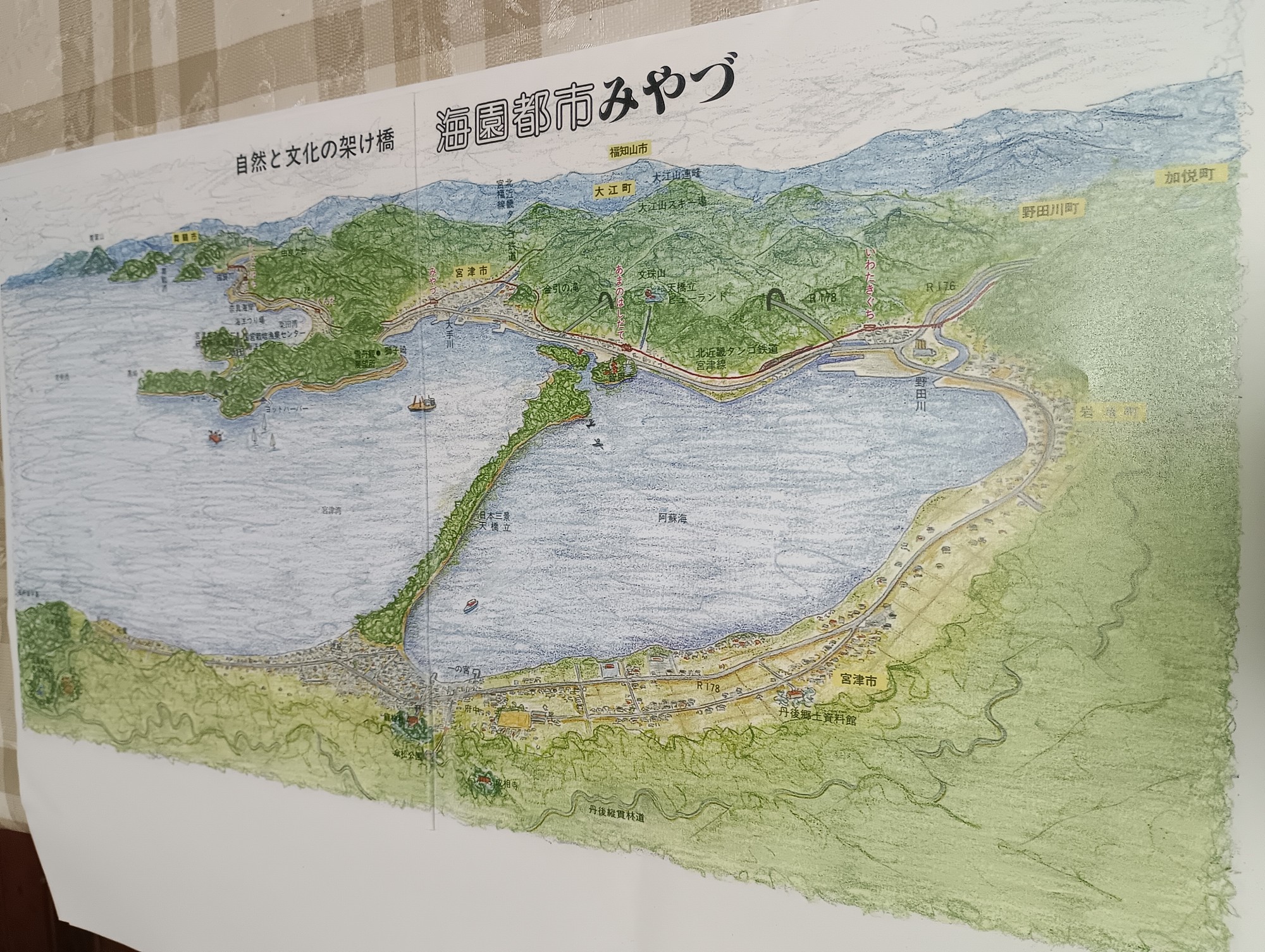
“Amanohashidate represents an ongoing coastal geomorphological process,
where sediments derived from the eroded mountains of the Tango Peninsula
are transported by the Seya River and deposited within the semi-enclosed Aso Sea,
forming a dynamic sandbar shaped continuously by littoral currents.”
要点
ongoing coastal geomorphological process(進行中の地形形成)
eroded mountains(汐霧山・世屋高原の風化)
transported by the Seya River(流域の物質循環)
deposited within the semi-enclosed Aso Sea(阿蘇海の閉鎖性)
dynamic sandbar(動的平衡の砂州)
shaped continuously(現在進行形)
これは criterion (viii) に完全に合致する表現。
2. 松林文化(文化的景観)を英語で説明する
“The eight-thousand-pine avenue on the sandbar forms a sacred cultural landscape,
where evergreen pines symbolize eternal renewal and mark the spiritual pathway
leading to the sacred sites of Monju and Kono Shrine.”
要点
eight-thousand-pine avenue(八千本の松の参道)
sacred cultural landscape(宗教的文化的景観)
evergreen pines symbolize eternal renewal(常若の象徴)
spiritual pathway(精神の道)
sacred sites of Monju and Kono Shrine(文殊・籠神社)
これは criterion (vi) に合致する。
3. 自然 × 文化を統合した価値説明(最重要)
“Amanohashidate is a rare cultural landscape where an active geomorphological process
and a long-standing religious tradition coexist.
The dynamic formation of the sandbar and the sacred pine-lined path together create
a unique environment in which nature, spirituality, and human experience are inseparably intertwined.”
要点
rare cultural landscape(希少な文化的景観)
active geomorphological process(進行中の地形)
long-standing religious tradition(文殊信仰の歴史)
pine-lined path(松林参道)
nature, spirituality, and human experience are intertwined(自然・精神・体験の融合)
これは世界遺産の価値説明として非常に強い。
4. 世界的希少性を強調する英語表現
“A pine-lined sacred path built upon an active coastal sandbar is virtually unparalleled worldwide.”
要点
virtually unparalleled worldwide(世界的に類例がほぼない)
pine-lined sacred path(松林の聖なる道)
active coastal sandbar(進行中の砂州)
これは国際審査で強烈なパンチになる。
◆さんの思想を英語で一文にすると
“Amanohashidate is a living sandbar shaped by the mountains,、and a sacred pine avenue shaped by the spirit.”
自然(山)と文化(精神)が一体化した天橋立の本質を、世界語で表現した一文です。
⑤ 高校生の天橋立を学ぶ英語教材としてまとめてくださいな
了解です。
高校生が 「天橋立とは何か」 を、英語で/科学と文化の両面から/シンプルに/世界に通じる言葉で
学べる教材としてまとめます。
「授業でそのまま使える」構成にします。英語本文 → 日本語補足 → キー語彙 → 思考の問いの順で整理します。
High School English Learning Material: Amanohashidate — A Living Sandbar and a Sacred Pine Path
1. Amanohashidate as a Living Sandbar
Amanohashidate is one of Japan’s most famous natural landmarks,
formed by an ongoing coastal geomorphological process.
Sediments from the eroded mountains of the Tango Peninsula are carried by the Seya River
and deposited in the semi-enclosed Aso Sea.
Littoral currents then shape these sediments into a long, narrow sandbar.
This means Amanohashidate is not a fixed landform,
but a dynamic landscape that continues to change over time.
日本語補足
「進行中の地形形成」を高校生にも分かる英語で説明
汐霧山・世屋高原 → 世屋川 → 阿蘇海 → 砂州 の流域循環を英語化
“dynamic landscape” は世界遺産の専門用語として重要
2. The Eight-Thousand-Pine Path
On top of this living sandbar lies an avenue of nearly eight thousand pine trees.
These evergreen pines symbolize eternal renewal in Japanese culture
and create a sacred pathway leading to the historic shrines of Monju and Kono.
Walking through the pine-lined sand path allows visitors to experience
a unique cultural landscape where nature, spirituality, and human movement are deeply connected.
日本語補足
松=常若(永遠性)の象徴を “eternal renewal” と表現
松林参道=宗教的景観を “sacred pathway” と表現
歩行体験を “human movement” として文化的景観の要素に
3. Nature × Culture: A Rare Cultural Landscape
Amanohashidate is a rare cultural landscape in the world
where an active geomorphological process and a long-standing religious tradition coexist.
The combination of a living sandbar and a sacred pine avenue
makes Amanohashidate a unique place where people can feel the harmony
between the earth, the sea, and the human spirit.
日本語補足
世界遺産の価値説明(OUV)の構造を高校生向けに簡潔化
“coexist” “harmony” は文化的景観のキーワード
️ Key Vocabulary(重要語彙)
geomorphological process — 地形形成の過程
sediments — 堆積物
littoral currents — 沿岸流
dynamic landscape — 動的な景観
evergreen — 常緑
eternal renewal — 常若(永遠性)
sacred pathway — 聖なる参道
cultural landscape — 文化的景観
coexist — 共存する
harmony — 調和
Thinking Questions(考える問い)
Amanohashidate’s sandbar is still changing. Why is this scientifically important?
How does walking through the pine path create a cultural or spiritual experience?
Why is a pine-lined sandbar rare in the world?
How can nature and culture coexist in one landscape?
高校生向けまとめ(日本語)
天橋立は、
① 進行中の砂州形成(自然) と② 八千本の松の参道(文化) が一体となった、世界的にも希少な景観。
英語で学ぶことで、地形の科学、日本文化の象徴、世界遺産の考え方を同時に理解できる教材になります。